A broadside deer steps into range, but the shooting lane is tighter than it looked from the stand. Your pin settles, the bow feels familiar, and then you notice a branch crossing the lower edge of the vitals. That pause is where preparation matters. A sound pre-season routine combines form, bow setup, equipment inspection, field judgment and current regulations so decisions remain controlled when conditions are less than perfect.
Start with a shot standard, not a distance goal
Before adding range, define what an ethical shot looks like for you. Consider angle, available lanes, footing, wind, light, animal behavior and whether a clean recovery would be realistic if the arrow did not land exactly as planned.
A useful standard is one you can explain before drawing: the target must be relaxed, clearly identified, unobstructed and positioned for a high-probability vital-area hit. If any part is missing, wait or pass.
Do not let a maximum practice distance become a minimum hunting distance. A group that looks acceptable on a calm range may not represent your performance from an elevated position, in heavy clothing or after an awkward draw. Set a personal limit that leaves room for those variables.
Make archery form practice deliberately boring
Begin close enough that misses are easy to diagnose. Shoot a few carefully planned ends rather than burning through arrows while fatigue changes your movement. Use the same sequence each time: stance, grip, draw, anchor, aim, controlled release and follow-through.
The goal is repeatability, not a frozen pose. Watch for a collapsing bow arm, tightening bow hand, inconsistent anchor contact or a head that moves toward the string. Use blank-bale work to feel the shot without aiming pressure, then return to a target face to confirm the movement holds together. Video can reveal habits you cannot sense, but review only one or two variables at a time. End the session when fatigue causes rushed execution; extra arrows only rehearse poor movement.
Tune the bow before you tune your confidence
A bow can feel familiar and still need attention after storage, travel or a change in arrows, broadheads, strings or accessories. Follow the manufacturer's guidance and inspect for loose fasteners, damaged serving, frayed or cut string fibers, unusual cam-track wear, shifted peep alignment and moved rests or sights.
Check arrows individually for cracks, splits, damaged nocks, loose inserts and bent or otherwise compromised components. Do not shoot an arrow that fails inspection. Matching arrows by spine, length, point configuration and condition makes tuning feedback easier to interpret.
A paper test can show a broad fletching tear, but it is only one clue. Walk-back tuning, bare-shaft work and broadhead confirmation answer different questions, and none replaces sound form. If adjustments become random turns, stop and return to a known setting or seek qualified technical help. Changing the rest, sight marks and draw-related settings together leaves no clear record of the cause.
Choose consistency over maximum speed. A bow that is comfortable to draw, quiet enough for your conditions and easy to control is usually a better hunting setup than one pushed beyond your ability to repeat the shot.
Inspect the whole system, not only the bow
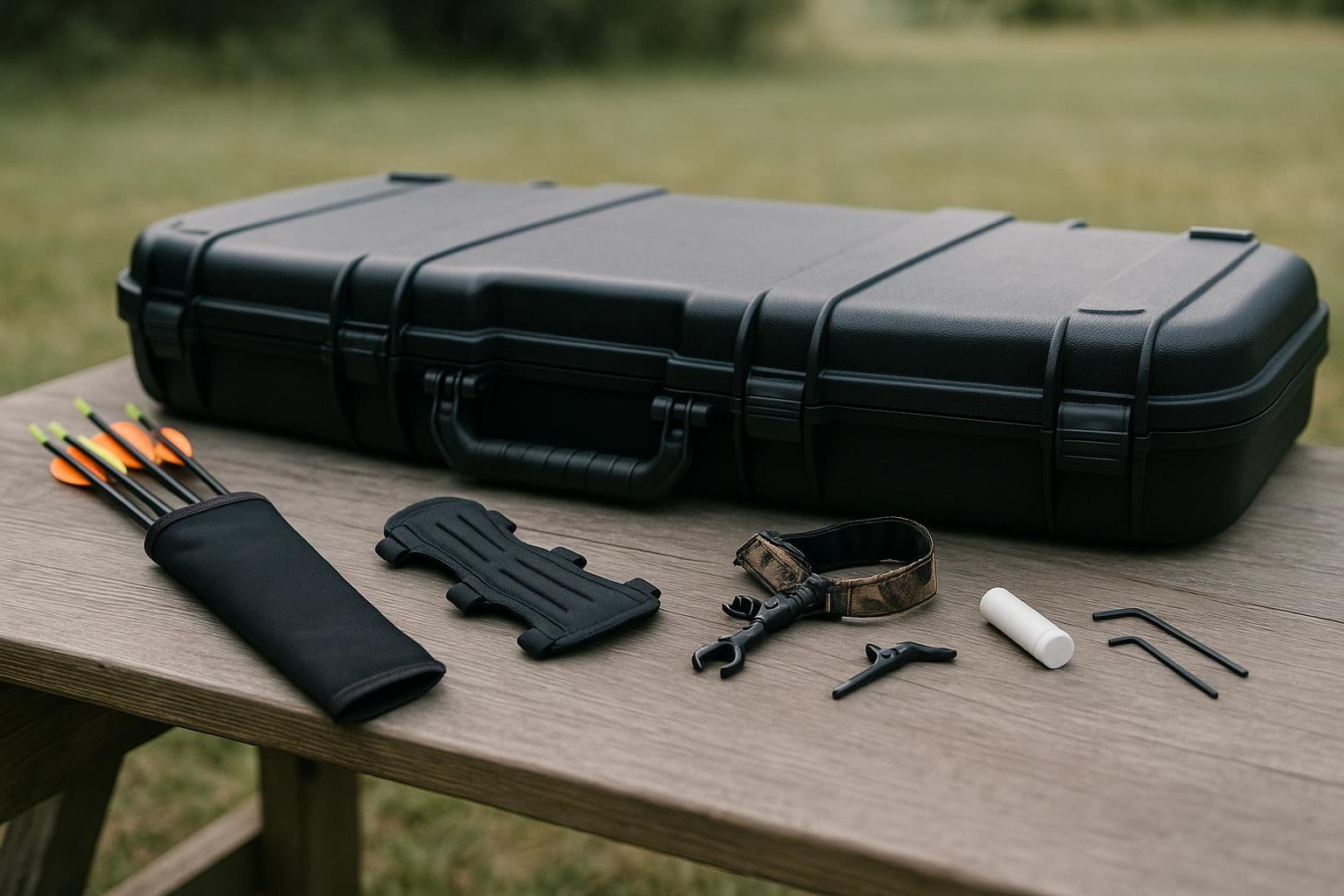
Inspect everything that affects the shot or recovery: release aid, D-loop, serving, rest, sight housing, stabilizer, quiver, arrows, broadheads, spare components and carrying case. Confirm that fasteners are secure without over-tightening delicate parts and that accessories have not shifted during transport.
Broadheads deserve a separate check. They should be appropriate for the game and legal where you hunt, properly seated, undamaged and matched to the arrows used for confirmation practice. Never assume a broadhead flies like a field point simply because both weigh the same.
Pack for small failures, including an arrow puller, spare nocks or compatible parts, a way to make minor approved adjustments and enough light to inspect equipment before a hunt. Avoid major field modifications; a rushed repair can create an unsafe problem.
Turn the range into a field decision
Field practice should add inconvenience on purpose. Shoot from kneeling or seated positions when they reflect your likely setup, while keeping movement controlled and the target area safe. Practice with realistic obstructions, varied light and clothing layers without creating unsafe lanes.
A 3D target helps with angles and aiming references, but it cannot reproduce every judgment involved in a live encounter. Use it to rehearse where you will hold, how you will wait for a clear lane and which angles you will refuse. Practice stopping, letting down and resetting; those actions deserve as much repetition as releasing an arrow.
Keep a short record after each session: what changed, what failed and what remains dependable. If broadheads group differently from field points, do not move the sight to disguise the difference. Find the tuning or form issue first.
Confirm the rules before the hunt
Regulations can govern seasons, legal equipment, permitted game, broadhead requirements, tagging, hunter education, access and reporting. Requirements vary by jurisdiction and may change, so check current official guidance for the exact area and species before hunting. General advice cannot replace those rules.
Review the regulations again if you change locations or pursue a different animal. Save the relevant pages or carry the required information in the format your jurisdiction accepts, remembering that an app or downloaded document may not reflect a later update.
Use this final checklist before opening day:
– Bow, strings, cables, serving and accessories inspected.
– Every hunting arrow checked for damage and matched to the setup.
– Broadheads confirmed legal, secure and flight-tested.
– Form practiced from realistic positions without fatigue-driven shortcuts.
– Personal shot standard defined, including angles and obstructions you will refuse.
– Current official regulations checked for the intended location and species.
The best pre-season routine leaves you with fewer surprises, not just tighter groups. When the moment arrives, preparation should make the ethical choice clear enough that passing on a marginal opportunity feels like part of the plan.