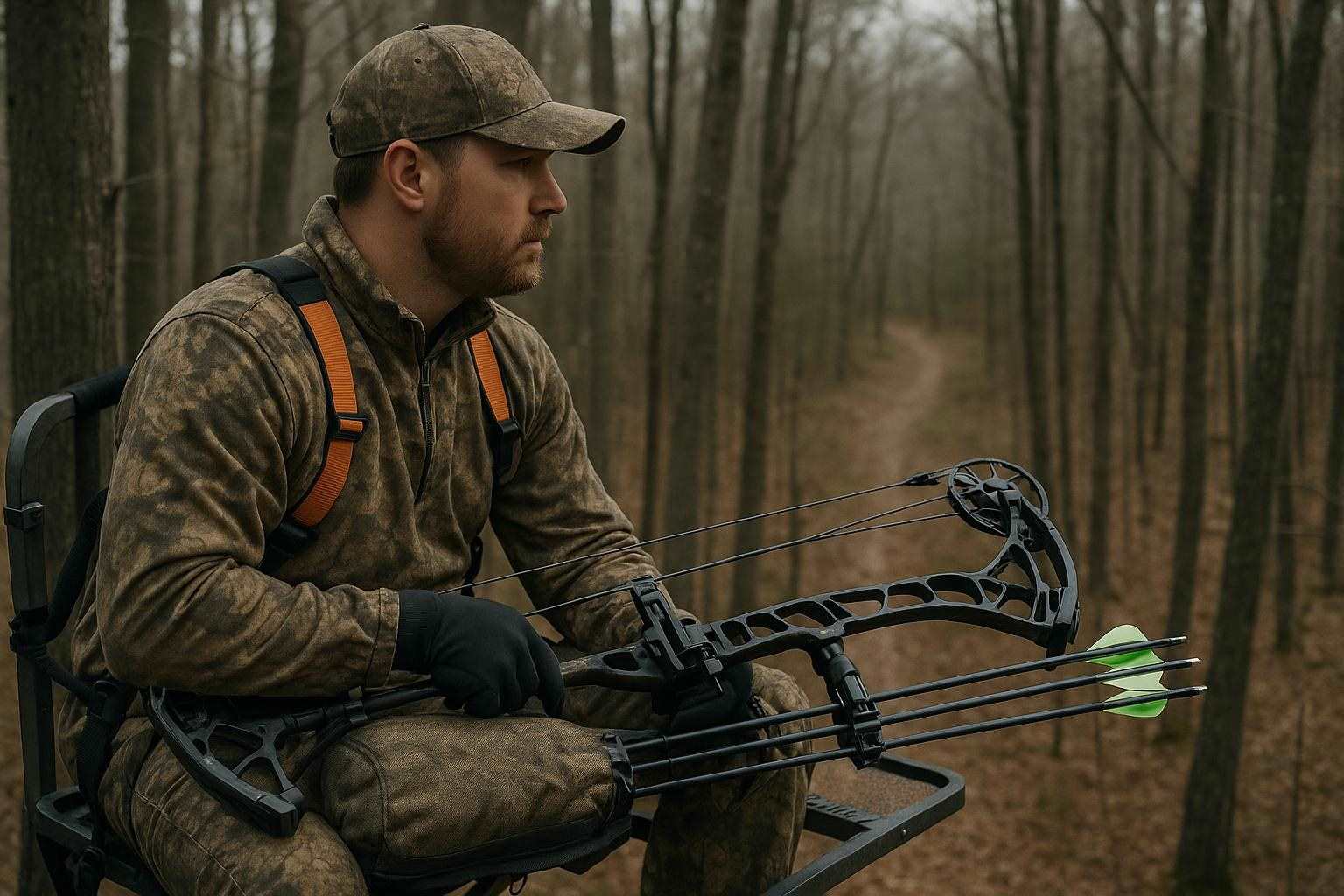
Ethical Shot Decisions: Keeping Your Bow at the Ready
When you go out into the wild it's easy to get excited when a deer walks into view.. The excitement can make it hard to think clearly especially if the conditions are not right. To be ethical when hunting it's important to think every chance you get. Focus, on the law, where the animal's if your equipment is ready and whether you can take the shot and find the arrow again. A good way to start is before the hunting season and change as things change.
Make Your No- Rules Before You Go
Preparation is very important when it comes to hunting in a way. Before you go into the woods it's important to decide what situations you will not take a shot. This could be when the vital areas are blocked, when you are not standing steady when you are rushing, when you can't see well or when the angle is not one you have practiced enough to feel sure about.
Remember your rules will depend on the equipment you use how much you have trained and what kind of animal you are hunting. The main idea is the same: if you can't see where the arrow will hit or if you are not in control it's better to not take the shot. Saying no to a shot might feel strange. It is a part of being a responsible hunter.
Distance is not the thing that matters. Sometimes a deer that is closer might be harder to shoot because of the bushes around it than a deer that's away and easier to see. Look at all the details before making a choice.
Know the Rules Before You Hunt
Learning about the rules for bowhunting is very important. These rules tell you what kind of equipment you can use and what you need to do with broadheads the weight of your bow identifying the animal, when you can shoot and how to tag the animal. The rules can change every season so relying on what you knew can cause mistakes.
Talk to the wildlife agency to get the information. It's an idea to have this information when you plan your hunt especially if you are going to a place. Also you might need permission from the person who owns the land and follow the rules for land which adds more to your job.
Knowing these rules will help you make choices about what you can hunt, when you can do it and what papers you need after you have the animal. Following the rules is the base of decisions.
Check Your Gear Carefully
Even if your bow looks good it's important to remember that a small problem could hurt you when you shoot. Check all your gear, including the parts that bend the parts that move the strings the cables the sights and the arrows. Look for signs of damage like parts, broken strings or cracks. These can stop you from doing your best.
Pay attention to parts that you use a lot. Do not fix them unless you know how they work. Check the makers instructions. Get help from a person who knows about this if you see something. That way you make sure your gear works right.
Before you go out shoot a test arrows after you move, store or fix your gear. If the arrows hit differently. Make sounds stop and check it out instead of trying to aim differently.
Practice Making Choices When You Take the Shot
Being good at making choices means more than being good at shooting. Practice situations that are like the ones you might face like parts of the animal that are not fully seen different wind or moving targets. Focus on seeing when a shot's not good and give yourself time to start over of forcing the shot.
Don't try to be perfect. Watch how you do. Did your position change when you were nervous? Could you find the place where the arrow would hit before you shot? These thoughts are important for changing how you move and getting ready for situations in the future.
Use a Checklist When Conditions Are Tight
When you get a chance use a list in your head to stay focused and make choices:
– Is the animal allowed to be taken
– Can I tell what kind of animal it is and where the vital areas are?
– Is my position steady and am I ready to draw and shoot?
– Is the background safe and do I plan to find the arrow?
– If things change before I shoot am I ready to not take the shot?
Remember that chances can disappear fast. A sudden move or an unexpected thing can change everything. If something feels wrong when you draw stay where you are.
Finding the Animal Starts with Good Choices
Taking a shot is part of being ethical. Before you go hunting learn where the animal might move the places in nature that're easy to see and how you will mark where the animal was last. Carry the tools you need according to the rules and don't run into areas if waiting a little might help.
If you are not sure you hit the animal be careful not to make things worse. Take notes about where the animal was, when you shot and anything you saw. Follow the rules. Get help if needed. This will help you find the animal carefully which is part of your duty to be responsible.
Remember, being ethical is not about skills. It is, about making choices in the field.. If a decision does not meet your rules the best choice is often to not take the shot.